Soho removals guide for Soho Square flats
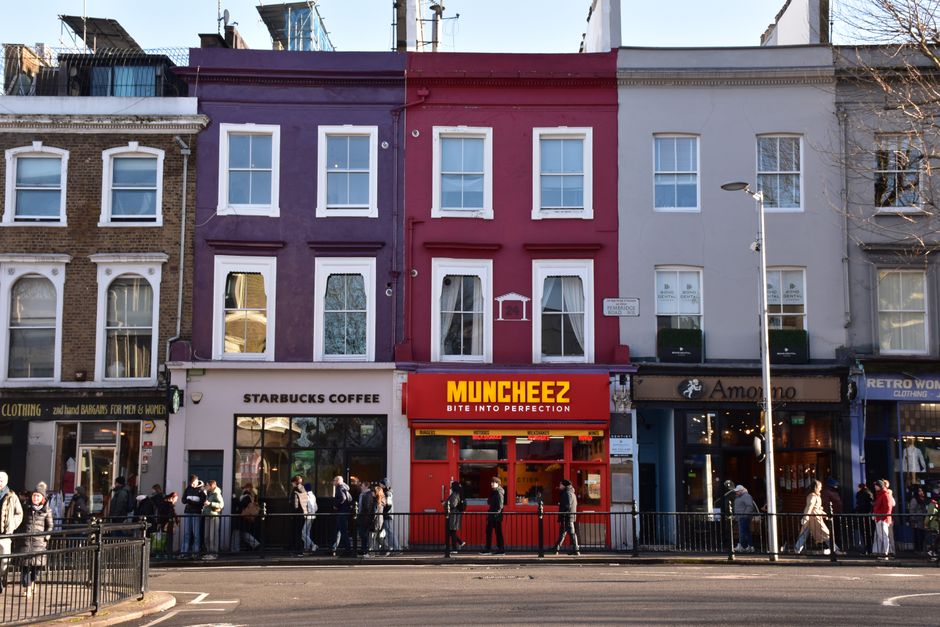
If you are planning a move in or out of a flat around Soho Square, you already know this is not a standard London removals job. Tight stairwells, lift bookings, shared entrances, busy streets, awkward parking, and neighbours who definitely notice a trolley at 7 a.m. can all shape the day. This Soho removals guide for Soho Square flats breaks it down in plain English so you can plan properly, avoid the usual headaches, and make the move feel manageable rather than chaotic.
Whether you are shifting a studio, a furnished apartment, or a larger period flat, the same basic truth applies: the better you prepare, the smoother the move. And in Soho, preparation matters a lot. Below, you will find a practical walk-through of how flat removals work here, what to watch out for, how to compare options, and the details people often forget until the van is already waiting outside.
One small warning: Soho has a habit of making simple things slightly less simple. That is just part of the charm, really.
Why Soho removals guide for Soho Square flats matters
Flat moves in Soho Square are often more complicated than people expect because the area combines central London traffic, mixed-use buildings, compact apartments, and limited loading space. That combination changes everything. A move that looks straightforward on paper can become fiddly fast if you have not thought through access, timing, or what type of removal support you actually need.
In our experience, the biggest stress point is rarely the heavy lifting itself. It is the logistics around it. Can a van stop close enough? Is there a service lift, and if so, who controls it? Will your sofa fit around the corner on the second floor? These are the questions that decide whether the day feels calm or slightly ridiculous.
For Soho Square flats, a good removals plan matters because the environment leaves less room for improvisation. Streets can be busy during the day, buildings may have shared corridors, and neighbours may be sensitive to noise and disruption. Even a well-run move can stumble if the timing is off by half an hour. That is why a practical guide is useful: it helps you make decisions before the pressure starts.
Key takeaway: the move itself is only one part of the job. Access, timing, packing, building rules, and parking all matter just as much, sometimes more.
How Soho removals guide for Soho Square flats works
A successful Soho flat removal usually follows a simple but disciplined process. First comes the survey or assessment, then planning, packing, access coordination, loading, transport, and finally unloading and placement at the new property. Nothing glamorous, just the practical sequence that keeps the day from unraveling.
For a Soho Square flat, the planning stage tends to be more detailed than a standard suburban move. You may need to consider whether your furniture will fit through narrow doors, whether the building has lift restrictions, and whether the route from the flat to the vehicle includes stairs, a courtyard, or a shared hallway. If you are on a higher floor, the time needed for loading can change quite a bit.
A typical removals workflow for flats in the area often includes:
- checking the inventory of items to move
- measuring bulky furniture and access points
- confirming building rules for moving in or out
- organising packing materials or professional packing support
- planning vehicle size and loading method
- choosing a time window that reduces disruption
- protecting the property during removal
- coordinating delivery and placement at the destination
If you are using a flat removals service, this process is usually adapted to apartment living rather than house moving. That distinction matters. Flat moves need more attention to access, shared spaces, and careful handling around neighbours and building managers.
A sensible removals company will also talk through insurance and handling precautions. It is not overcautious to ask these questions. It is normal. In fact, a good mover should welcome them.
Key benefits and practical advantages
A well-organised removals plan for Soho Square flats can save time, reduce damage risk, and lower the stress that usually creeps in once the boxes start stacking up. The obvious benefit is convenience, but the less visible advantages are often more valuable.
- Less disruption: planned access and timing reduce noise and building congestion.
- Better protection: proper packing and handling lower the risk of scratches, chips, or breakages.
- Faster moving day: if everything is measured and prepared, loading tends to run more smoothly.
- Cleaner handover: a tidy move helps with deposit returns and smoother landlord or agent inspections.
- Fewer surprises: advance planning helps you avoid last-minute van size issues or access problems.
There is also a mental benefit, which people underestimate. When you know the route, the timings, and the plan for the tricky bits, the move feels less like a scramble and more like a sequence of tasks. That matters, especially if you are juggling work, children, pets, or the usual million little jobs that come with a London move.
If you need support beyond the vehicle and loading itself, services such as packing and unpacking services can remove a surprisingly large amount of pressure. Not everyone needs full packing, of course, but for a flat move with a lot of glassware, books, or awkwardly shaped items, it can be a sensible trade-off.
Who this is for and when it makes sense
This guide is for anyone moving within Soho Square flats or relocating into the area from elsewhere in London. It is especially useful if your home includes limited access, shared entrances, or larger furniture that will need careful handling. If you are moving alone, the detail here can help you plan realistically. If you are hiring professionals, it can help you ask sharper questions and avoid buying a service that is not quite right for your building.
It makes sense to follow a more detailed removals plan if you are in any of these situations:
- you live on an upper floor without easy lift access
- your flat has tight corners, narrow staircases, or awkward doorways
- the building has strict move-in or move-out windows
- you need to move bulky furniture, mirrors, or fragile items
- you are working to a deadline such as a tenancy handover
- you want same-day completion with minimal disruption
- you need storage between addresses
For smaller moves, a man and van style service can be enough. For larger flats or more fragile loads, you may want a fuller team and a proper removal vehicle. It is not about choosing the biggest option. It is about choosing the one that fits the job without paying for more than you need.
If you are downsizing, moving into a first rental, or shifting between furnished flats, you may also find student removals useful as a reference point for smaller, lighter moves. The principles are similar, even if the actual circumstances are different.
Step-by-step guidance
Here is the simplest way to approach a Soho Square flat move without losing your mind halfway through.
1. Start with an access check
Before you book anything, work out how items will actually leave the flat. Measure doorways, note staircase turns, and check whether the lift can take large furniture. If your building has a concierge, manager, or porter, ask about move rules early. A five-minute conversation now can save a very awkward morning later.
2. Make a realistic inventory
Walk through the flat room by room and list the items that need moving. Be honest. That chair in the corner, the box of books under the bed, the lamp you forgot about last time - all of it counts. This helps with planning, pricing, and vehicle choice.
3. Decide what you are taking, selling, storing, or donating
Central London flats often contain a mix of essentials and things that have simply accumulated. Moving is a good excuse to be ruthless, in a kind way. If something no longer fits the space or your life, it may be better to let it go. Items you want to keep but not take straight away can go into storage for a while.
4. Pack by category, not by panic
Pack room by room and label boxes clearly. Put fragile items together and keep important documents, chargers, keys, and medications separate so they are not buried under a pile of towels. A neat label system may feel fussy at the time, but moving day will thank you for it.
5. Confirm vehicle access and timing
Check where the vehicle can stop, how long loading will take, and whether there are any restrictions on the street. Soho is not the place for vague assumptions. If access is tight, a smaller vehicle or shuttle-style loading may work better than trying to force a larger van into an awkward spot.
6. Protect delicate surfaces and floor space
Flat moves can damage more than boxes. Doorframes, walls, shared hallways, and floors all need attention. Protective blankets, corner guards, and sensible carrying techniques reduce accidental scuffs. You notice these things most when they are missing.
7. Load in the right order
Heavy items go in first, fragile items later, and frequently needed essentials should be kept separate. If you are moving into your new Soho Square flat in the evening, make sure the first box off the van contains the basics: kettle, toiletries, bedding, phone chargers, and a few tools. Small comfort, big difference.
8. Check the new flat before the final unload
Before everything comes in, inspect the destination. Check whether the path is clear, where furniture should go, and whether there are any surprises such as a narrow turn or a boxed-in utility space. It is easier to rearrange an empty room than a hallway full of sofas.
Expert tips for better results
The best removals jobs are often won in advance, not on the day. A few simple habits make a real difference.
- Book earlier than you think you need to. London calendars fill fast, especially around month-end and weekends.
- Measure the awkward items twice. Large wardrobes, mattresses, and desks are the usual troublemakers.
- Keep a moving-day essentials bag. Think passports, phone chargers, prescriptions, snacks, and a bottle of water.
- Use colour-coded labels if you can. It sounds slightly over-organised until you are standing in a corridor full of identical boxes.
- Protect communal areas. This is good manners and, in some buildings, practical necessity.
- Ask about insurance and handling. You want to know how fragile items are protected and what happens if something goes wrong.
One practical trick that works well in flat moves: tape a quick room plan to the back of the front door or hand it to the crew. "Bed here, dining table there, boxes in that corner" saves time, especially when everybody is trying to move quickly in a narrow space.
If your move includes a piano, large artwork, or unusually heavy furniture, specialist support matters. A standard move team may not be the right fit for everything. For those items, a service like piano removals can be the safer route.
And yes, it helps to keep a sense of humour. Moving day is one of those rare moments when everyone becomes unexpectedly obsessed with cardboard tape.
Common mistakes to avoid
Most moving problems are avoidable. The frustrating thing is that people often make the same ones again and again. Here are the big ones.
- Underestimating access issues: a sofa that fits the room may still fail at the stairwell.
- Leaving packing too late: rushed packing leads to breakages and missing essentials.
- Choosing a vehicle based only on price: the cheapest option is not always the most suitable one.
- Forgetting building rules: lift bookings, loading windows, and entry instructions can affect the whole move.
- Not separating fragile items: kitchenware mixed with books is a recipe for chipped glass and frustration.
- Ignoring disposal needs: if you are not taking old furniture, you need a plan for it.
A lot of moves also go wrong because people assume every removals team handles flats the same way. They do not. One crew may be excellent at house removals but less experienced with central London apartment access. Another may be more efficient with compact moves and stair-heavy buildings. It is worth asking direct questions before you book. Polite, but direct.
If you need a broader household move rather than just a flat move, you may want to review house removals as a comparison point. The principles overlap, though flats usually require tighter coordination.
Tools, resources and recommendations
You do not need a warehouse full of kit to move well, but a few basic tools make life easier.
| Tool or resource | Why it helps | Best for |
|---|---|---|
| Strong boxes | Protects items and keeps packing tidy | Books, kitchenware, clothes, decor |
| Packing tape and dispenser | Makes sealing boxes faster and cleaner | Most household items |
| Bubble wrap or paper | Cushions fragile belongings | Glass, lamps, ornaments |
| Labels and marker pens | Makes unpacking much easier | Every box, without exception |
| Furniture blankets | Helps reduce scuffs and knocks | Wooden and upholstered furniture |
| Storage option | Useful if your dates do not line up neatly | Temporary gaps between homes |
If you want help with packing materials and a more structured approach, packing and boxes can be a useful support service. For people who would rather not spend two weekends disappearing into tape and labels, that alone can be a relief.
It can also help to compare transport options. A compact removal van may suit a small flat with limited furniture, while a larger moving truck can be better for fuller loads. The right choice depends on volume, access, and how many trips you want to avoid.
For a general overview of services, the removal services page is a sensible starting point if you are still working out which option fits your move. If you are looking at the company background and want reassurance before booking, the about us page can also help you understand the team behind the service.
Law, compliance, standards, or best practice
For flat removals in central London, compliance is mostly about sensible working practices, building rules, and care for shared spaces. You do not need to become a legal expert, but you should be aware of a few common standards.
First, buildings often have their own move procedures. That may include booking a lift, using specific access points, confirming arrival times, or protecting communal corridors. These are not just nice-to-have requests. In many buildings, they are mandatory. If you are renting, your landlord or managing agent may also have expectations about how the property is handed over.
Second, reputable movers should treat insurance and safety seriously. You want to know that items are handled responsibly and that the company follows appropriate safety processes for lifting, loading, and transport. A professional team should be able to explain its approach in normal language, without making it sound mysterious or overcomplicated. Good practice should sound boringly sensible. That is usually a good sign.
Third, if you are disposing of items, especially larger furniture, think about recycling and reuse rather than simply leaving things behind. Responsible moving companies may offer guidance or related services, and a sustainability-minded approach is often the tidier one. For example, recycling and sustainability is worth considering if you want to reduce waste during the move.
Finally, make sure payment terms, service scope, and cancellation points are clear before the moving date. A simple written summary saves awkwardness later. If you are comparing providers, it is sensible to check pricing and quotes before you commit, so you know exactly what is included and what is not.
For a good move, compliance is not about box-ticking. It is about avoiding avoidable problems. That's the whole game, really.
Options, methods, or comparison table
Different Soho Square flats need different moving methods. The right one depends on volume, access, urgency, and how much help you want on the day. Here is a useful comparison.
| Method | Best for | Pros | Watch-outs |
|---|---|---|---|
| Man and van | Small to medium flat moves | Flexible, often quick, good for lighter loads | May be less suitable for large furniture or complex access |
| Full flat removal team | Most apartment moves | More support, better for stairs and larger loads | Usually costs more than a basic van-only move |
| Packing plus removal | Busy households or fragile contents | Reduces stress, saves time, better for breakables | Requires earlier booking and a clearer inventory |
| Storage-backed move | Gaps between tenancies or refurbishments | Very useful when dates do not line up | Adds an extra step and extra planning |
If you are still deciding, ask yourself a simple question: do you need transport, labour, packing help, or all three? The answer usually points you toward the right option.
For many flat moves, a smaller vehicle-based service is enough. For others, especially when there are stairs, fragile items, or a tight move-out window, a more complete approach makes the day far calmer. A bit more spent upfront can save a lot of hassle later. Not always, but often enough to matter.
Case study or real-world example
A common Soho Square scenario goes like this. A tenant is moving out of a one-bedroom flat with a sofa, bed frame, desk, boxes of books, kitchen items, and a couple of awkward plants. The building has a lift, but it needs to be booked. The street outside is busy by late morning, and the new flat is only a short distance away, but with a narrow entrance and a difficult parking position.
The move goes smoothly because the practical details were handled in advance. The tenant measured the sofa and confirmed it could turn at the hallway corner. Boxes were labelled by room. The move-out time was set early, before the street got busier. The removals team arrived with blankets and straps, the lift was protected, and the first essentials box was kept separate for quick unloading at the new flat.
What made the biggest difference? Not speed. Planning.
There was one slightly messy moment - there always is - when a plant needed a last-minute rebalancing and someone muttered about "the weirdest box shape imaginable." But the flat was cleared without damage, the handover was completed on time, and the tenant avoided the classic end-of-move panic. That is what good flat removals should feel like: not dramatic, not perfect, just well handled.
Practical checklist
Use this quick checklist before moving day. It is simple, but it catches a lot of problems.
- Confirm your moving date and time window
- Check building access, lift use, and any restrictions
- Measure large furniture and doorways
- Decide what to move, store, sell, or donate
- Gather boxes, tape, labels, and wrapping materials
- Pack a separate essentials bag
- Protect fragile and valuable items properly
- Arrange parking or loading access where needed
- Notify the removals team about stairs, narrow entrances, or difficult items
- Keep keys, documents, and chargers easy to reach
- Take meter readings and photos if needed
- Do a final walk-through before leaving
If you want a broader moving option rather than a flat-specific approach, you can also look at home moves for a wider household moving perspective. It is a useful reference if your Soho Square flat is part of a larger relocation.
Conclusion
Moving a flat in Soho Square is rarely a casual affair, but it does not need to feel overwhelming. Once you understand the access issues, building rules, packing needs, and transport choices, the whole process becomes much more manageable. That is really the goal here: fewer surprises, less rushing, and a move that feels controlled rather than frantic.
If you take only one thing from this guide, let it be this: the best Soho flat moves are planned around the building, not just the belongings. Think access first, boxes second, and timing all the way through. Do that, and you give yourself a far better chance of an easy day.
Get a free quote today and see how much you can save.
And if you are still weighing things up, that is fine too. A good move starts with a calm plan, not a panicked one.
Frequently Asked Questions
How do I prepare for a Soho Square flat move?
Start by checking access, lift rules, parking options, and the size of your furniture. Then pack room by room, label everything clearly, and keep essentials separate so you are not searching for a charger at midnight.
Is a man and van service enough for a Soho flat?
It can be, especially for smaller flats or lighter loads. If you have stairs, bulky furniture, or a lot of boxes, a fuller removals team may be the better fit. The right choice depends on the job, not just the postcode.
What makes Soho removals more difficult than other London moves?
Mostly access and timing. Soho is busy, parking can be awkward, and flats often have tighter layouts than average. That means planning matters more than it might on a quieter residential street.
Should I use packing services for a flat move?
If you are short on time, have fragile items, or simply do not want to spend nights surrounded by tape, packing help can be worth it. For smaller, simple moves, you may be fine packing yourself.
How far in advance should I book removals for Soho Square?
The earlier the better, especially around month-end, weekends, and busy moving periods. Central London slots can go quickly, so booking ahead gives you more choice and usually less stress.
What if my building has a lift booking system?
Book the lift as early as you can and make sure the removals team knows the timing. Lift windows can shape the whole day, so they should be treated as part of the moving plan, not a footnote.
Can I move large furniture in a Soho flat without damage?
Yes, but only if measurements, route planning, and protection are handled properly. Large items are usually where problems start, so it is worth being cautious rather than optimistic.
Do I need storage during a Soho flat move?
Only if your move-out and move-in dates do not line up, or if you are reducing what you keep in the new flat. Storage is also useful if you are renovating or waiting on a completion date.
How do I choose the right removals company?
Look for clear communication, sensible pricing, experience with flats, and proper attention to insurance and safety. A good company should explain the process simply and answer practical questions without fuss.
What should I keep with me on moving day?
Keep keys, ID, mobile chargers, medication, valuables, snacks, and a basic toolkit close at hand. If you need something within the first hour in the new flat, do not pack it at the bottom of a box mountain.
Are same-day removals possible in Soho?
Sometimes, yes. It depends on the size of the move, access conditions, and how busy the schedule is. Same-day removals work best when the plan is simple and the inventory is not too large.
What is the biggest mistake people make with Soho Square flat moves?
Underestimating access. People often focus on the items but forget the route the items have to travel. A sofa that looks harmless in the lounge can become a completely different problem on a narrow staircase.
If you want help choosing the right moving option, it is worth reviewing the wider removals service overview or checking the company's contact us page to ask specific questions about your building, dates, and access. A quick conversation now can save a lot of back-and-forth later.